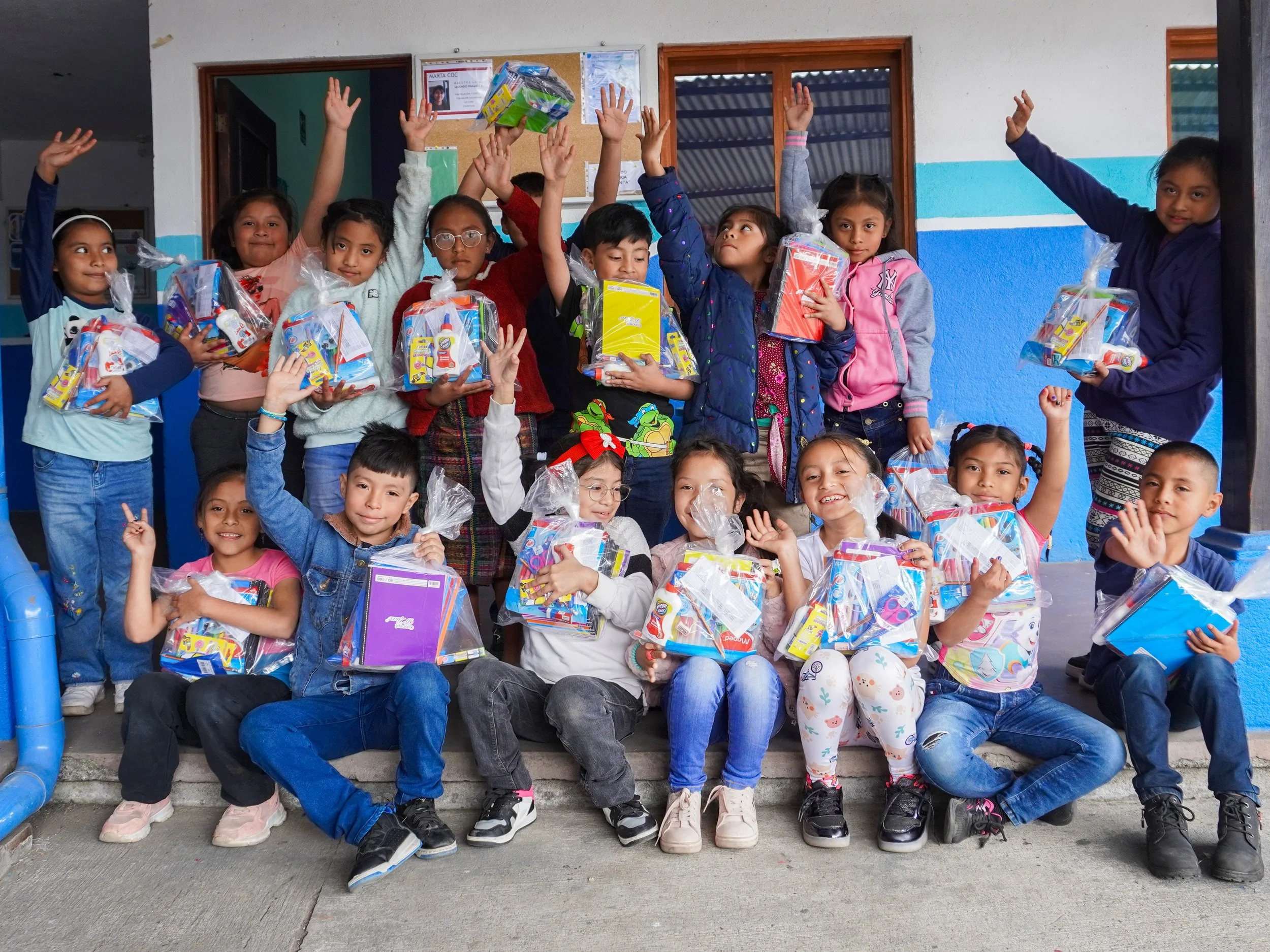
Building Essential Skills for Learning, Work, and Life
At the School of Hope, digital literacy is no longer optional. Students must be able to navigate technology confidently and responsibly to succeed academically and to access future education and employment opportunities.
The Digital Literacy Programme ensures that students from Kindergarten through Grade 9 develop the foundational digital skills needed to learn effectively, communicate, and engage with technology as a daily tool, despite limited access to devices at home.
Why Digital Literacy Matters at the School of Hope
Most students at the School of Hope grow up with little or no access to computers, tablets, or reliable internet at home. As a result, they enter the classroom already at a disadvantage—not due to lack of ability or motivation, but because they have been excluded from the digital tools that increasingly shape learning and opportunity.
Digital literacy is no longer optional. It directly influences students’ reading comprehension, academic performance, English language acquisition, research skills, problem-solving ability, and readiness for secondary education and future employment.
The Digital Literacy Programme closes this gap by embedding technology into everyday classroom instruction through a safe, structured, and age-appropriate model. Students gain consistent, guided exposure to digital tools that strengthen learning across subjects while building essential skills for the modern world.
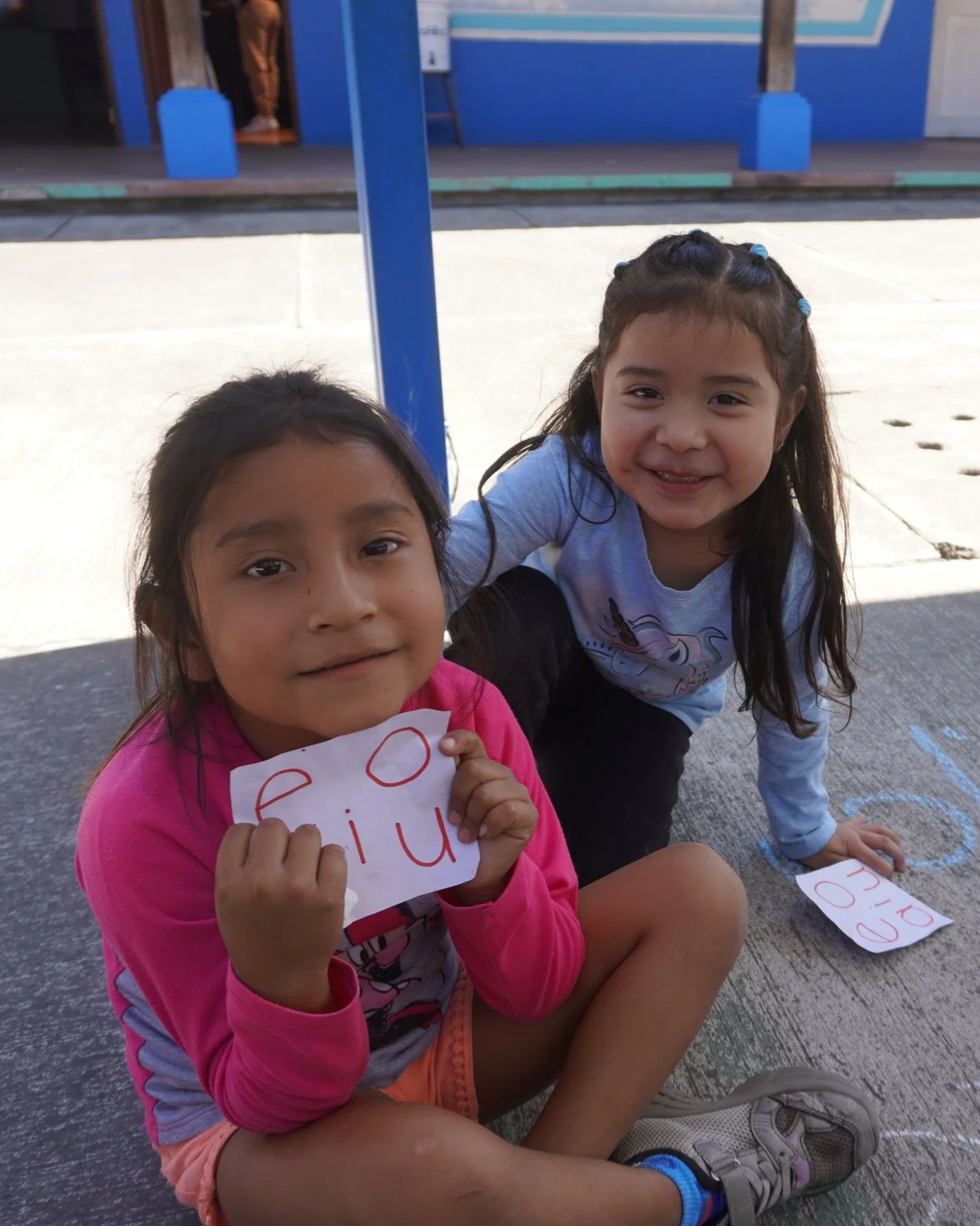
What the Programme Includes
The programme is built around a Mobile Technology Lab model, allowing devices to be shared efficiently across grade levels while ensuring consistent access.
The Digital Literacy Programme includes:
Mobile sets of 25 tablets or laptops with protective cases and accessories
Laptop for the teacher
Secure charging and storage carts
Pre-installed educational platforms supporting English, literacy, and digital skills
Device management and content filtering systems to ensure safe use
Improvement in our infrastructure to support the increased use of wifi
Teacher training and ongoing technical support
This model allows technology to reach multiple classrooms each day while maintaining control, security, and sustainability.
Measuring Impact
Student progress is tracked through:
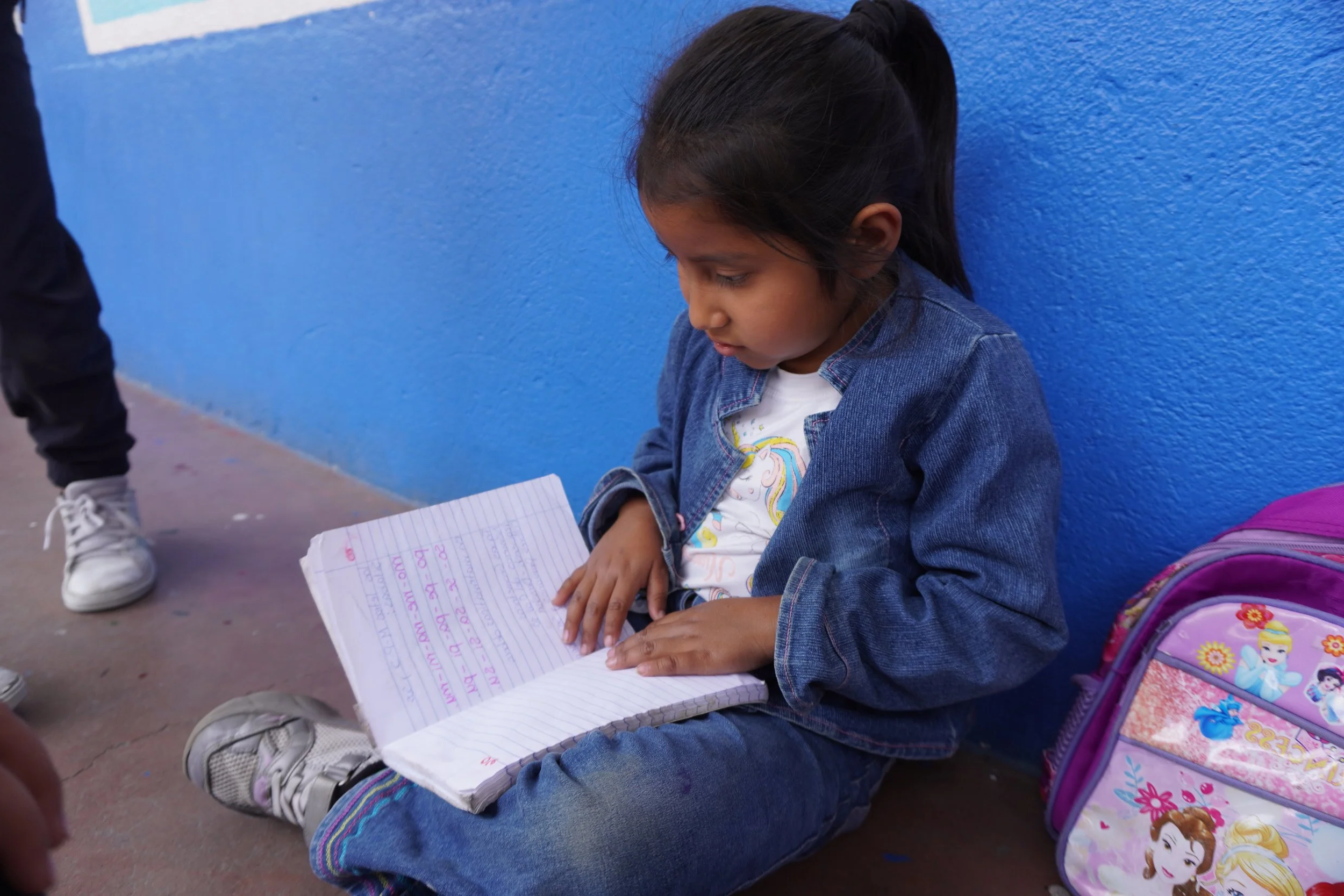
Literacy growth measured through Lexile levels and reading assessments
English progress using structured digital platforms and written evaluations
Digital skills benchmarks by grade level
Teacher observations and usage tracking
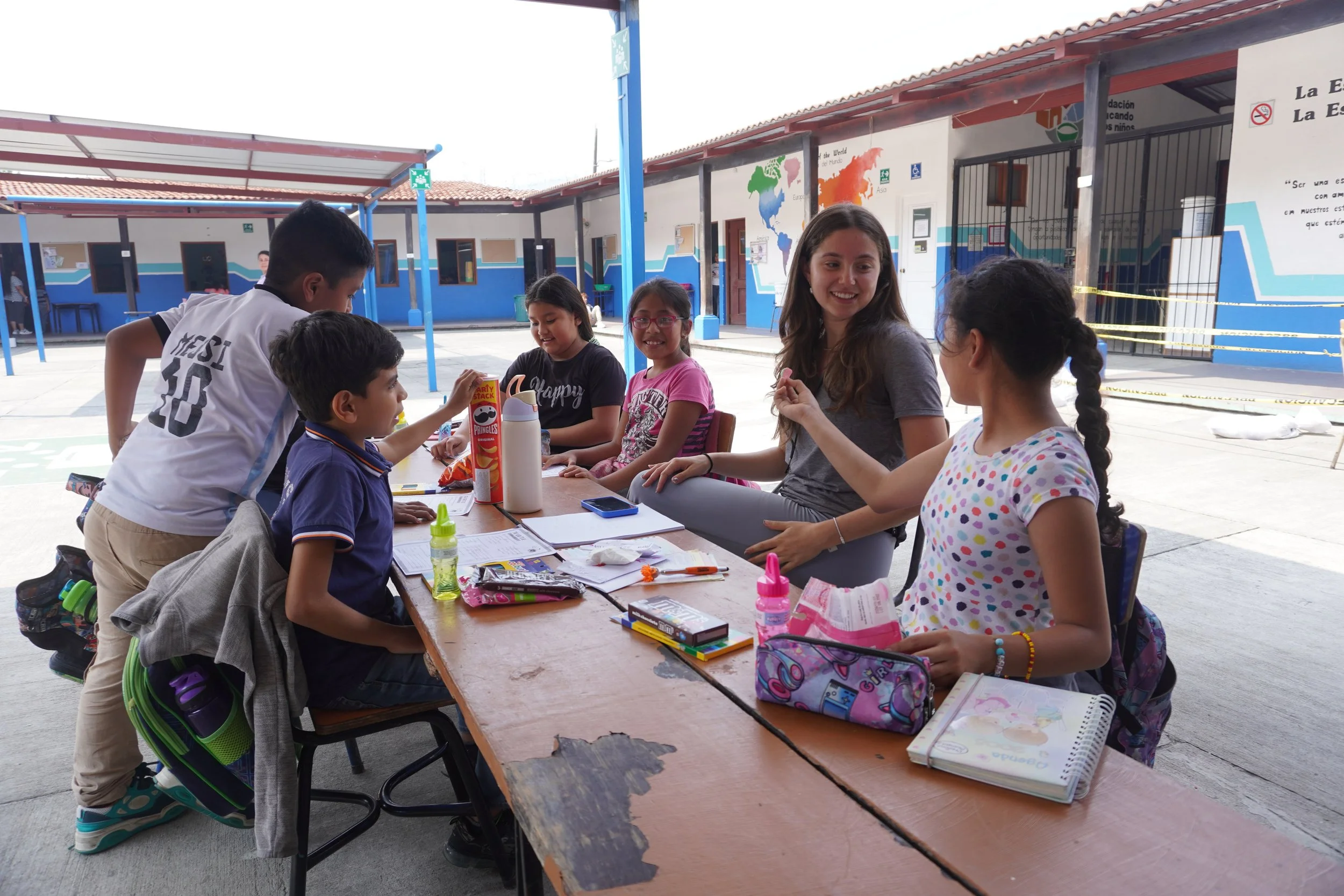
By the end of 2026, EFTC aims for 80% of students to be reading and comprehending at grade level, closing learning gaps that widened during the COVID-19 pandemic and general lack of access to resources.
Looking Ahead
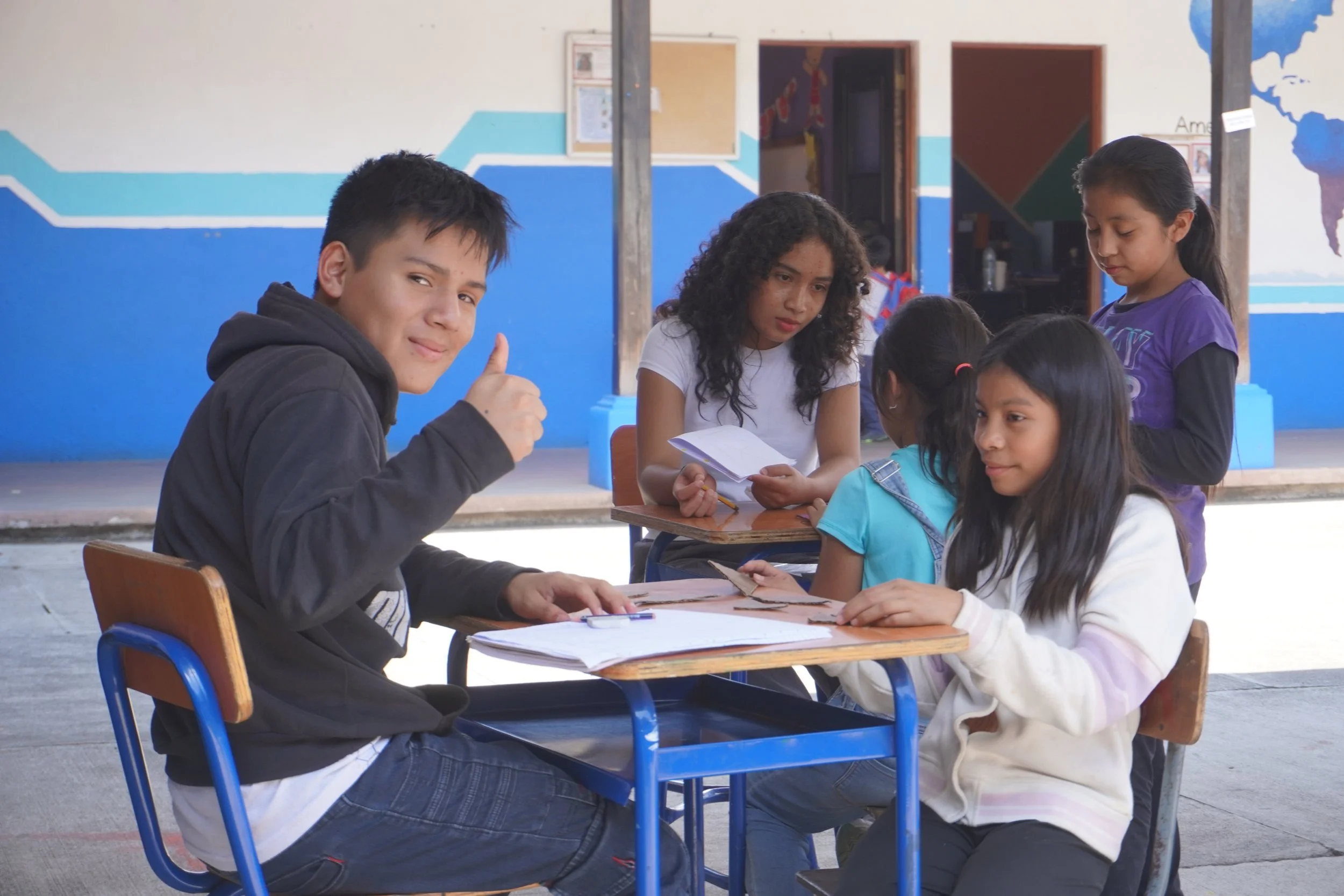
The long-term goal of the Digital Literacy Programme is to ensure that all students graduate from the School of Hope with the digital skills needed to succeed in secondary education, technical training, or the workforce.
How Students Use Technology
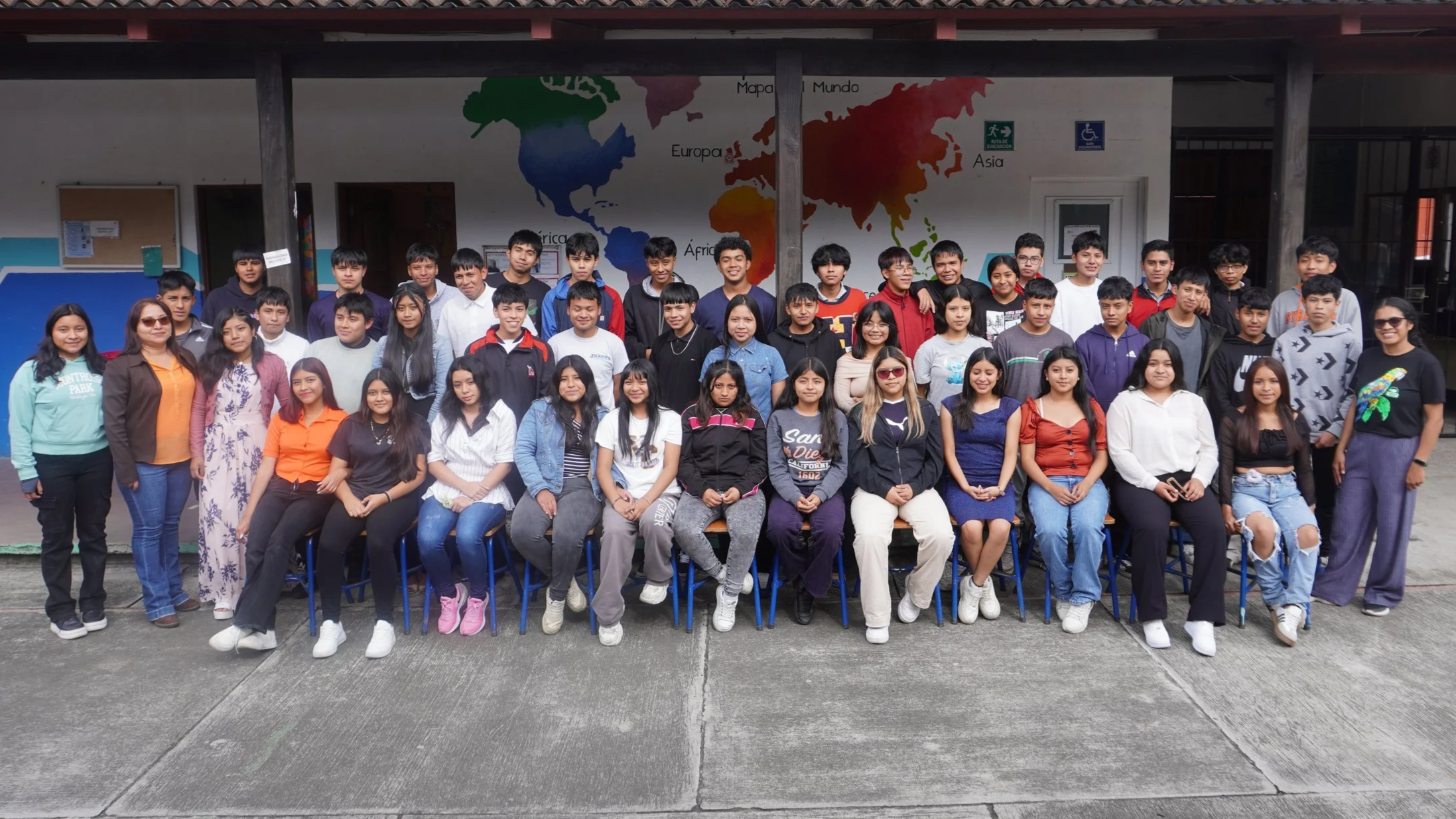
Technology is used as a learning tool, not as free screen time.
Students engage with tablets during scheduled class periods to:
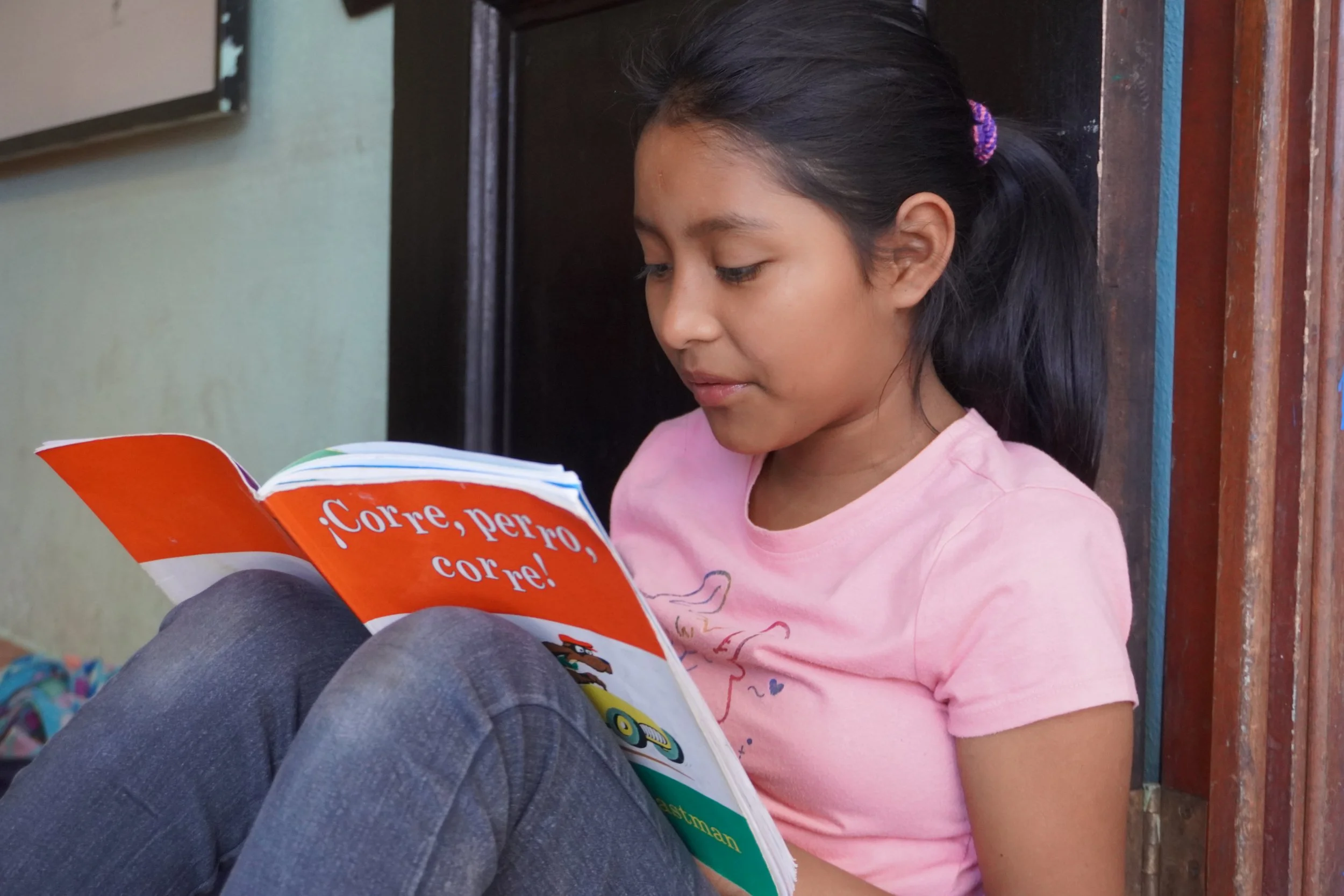
Strengthen reading comprehension through interactive literacy platforms
Build English vocabulary, reading, and writing skills
Practice digital navigation, typing, and responsible device use
Support differentiated instruction for students at varying academic levels
Usage increases gradually by grade level, ensuring developmentally appropriate exposure.
Built for Sustainability
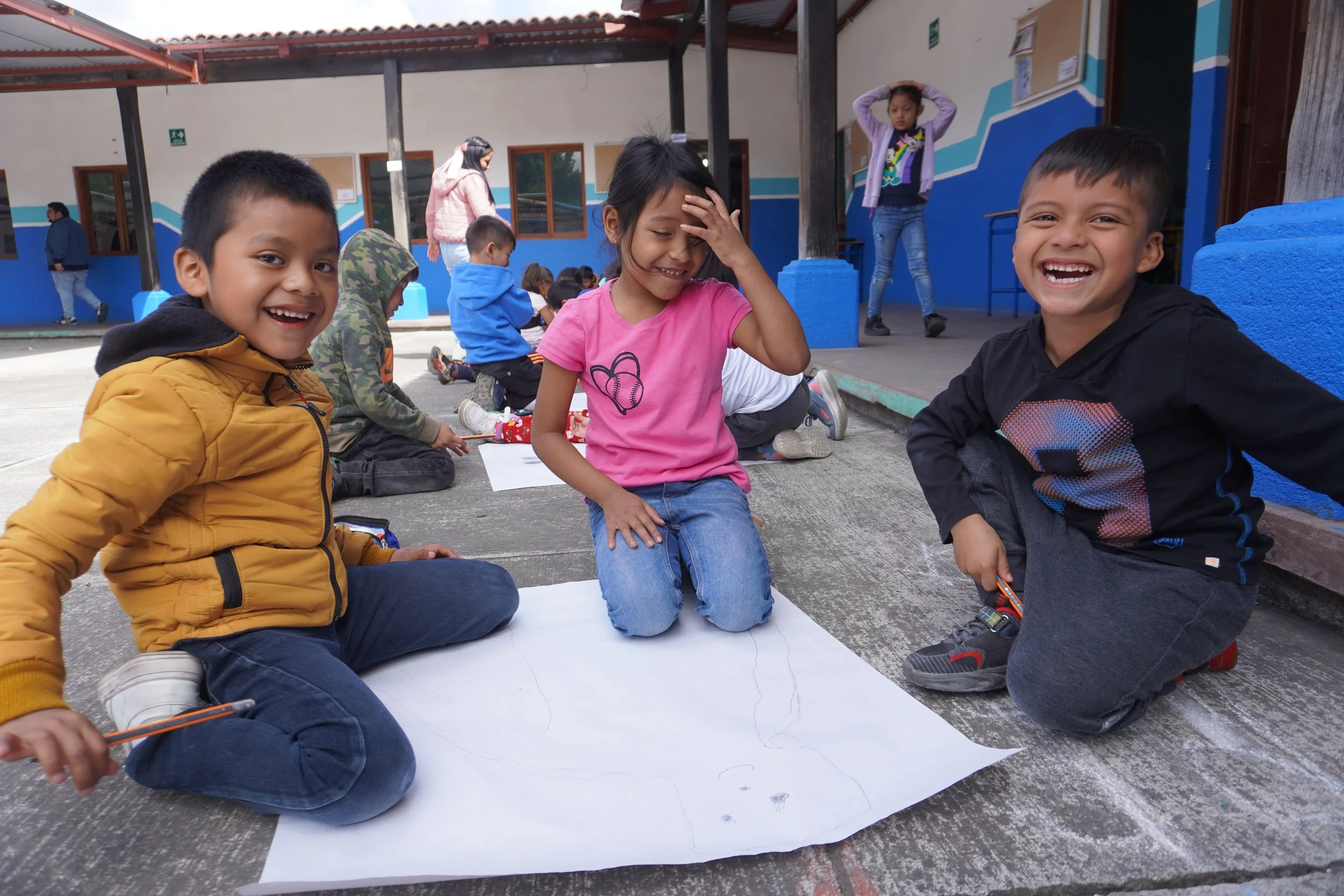
The Digital Literacy Programme is supported by strong internal systems, including:
Secure device storage and inventory control
A reservation system to ensure equitable access across grades
Two dedicated technology staff responsible for maintenance, monitoring, and support
Clear usage policies and digital safety protocols
Integration into the school curriculum rather than standalone activities
This ensures the programme can grow responsibly over time as access and instructional capacity expand.
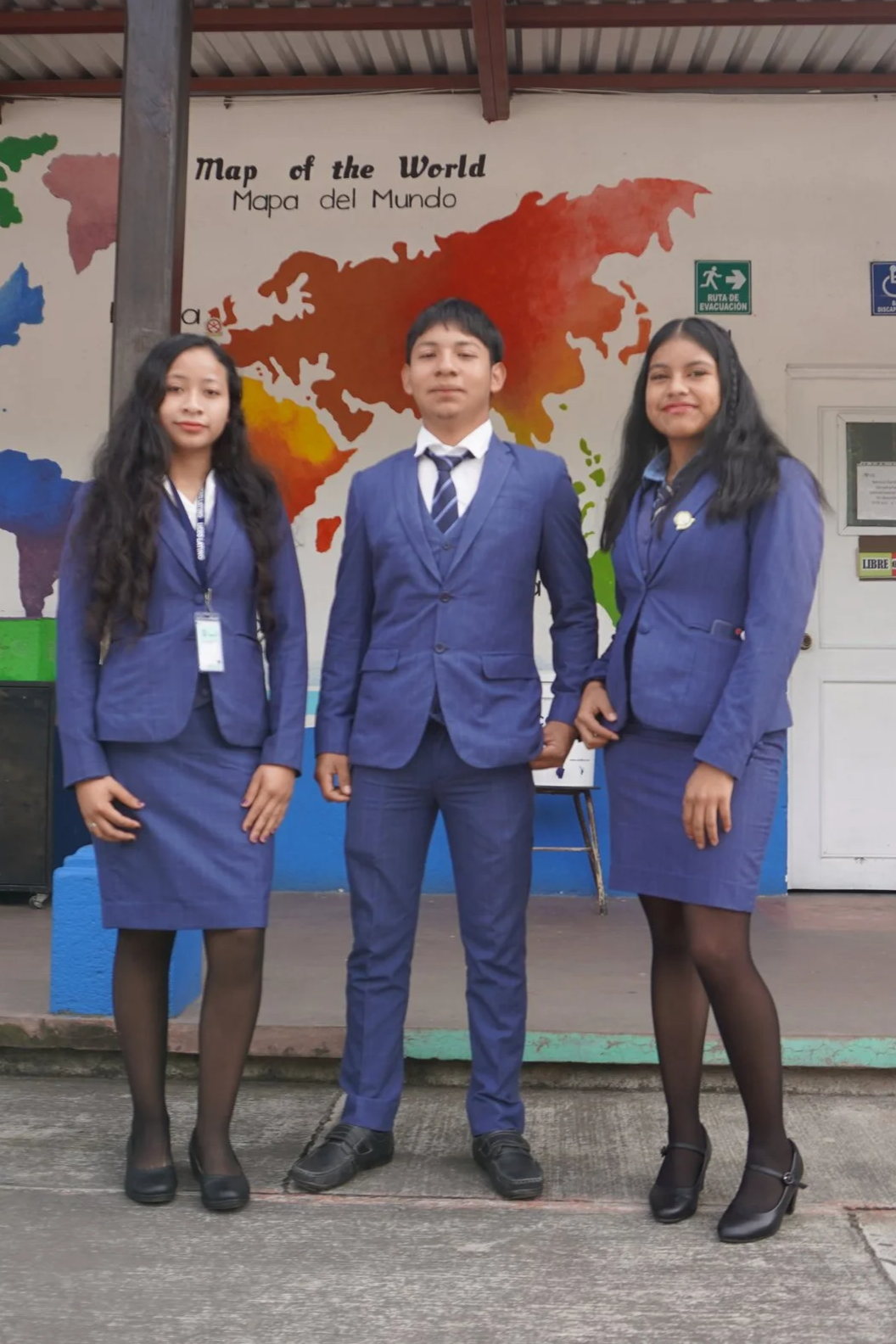
Technology becomes a bridge, not a barrier, to opportunities and a brighter future.
Our long-term goal is for every grade at the School of Hope to have regular, reliable access to its own technology lab, fully integrated into daily teaching and learning. This ensures that digital literacy is not an occasional activity, but a core part of the educational experience from early primary through lower secondary.
We are building this programme step by step. Each new lab significantly increases how often and how creatively technology can be used in the classroom. As access grows, teachers are able to plan more frequent digital lessons, diversify learning activities, and integrate technology across key subjects such as reading, English, science, and research.
With increased access comes stronger impact. Students spend more time developing practical digital skills, gain confidence using technology for learning, and are better prepared for secondary education, further study, and future employment.
This phased approach allows the Digital Literacy Programme to grow sustainably, ensuring quality, proper oversight, and long-term alignment with the school’s curriculum and resources.
Partnerships for Success
Partnerships make it possible to expand access to technology, strengthen instruction, and ensure responsible implementation.
By supporting the Digital Literacy Programme, you invest in measurable learning outcomes, long-term skill development, and sustainable systems that benefit students, teachers, and the wider community.
Learn More
If you are interested in learning more about the Digital Literacy Programme or exploring partnership opportunities, we invite you to contact our team.
Sophie McKee
Email: sophie.mckee@eftcfoundation.org
Education For The Children Foundation: Transforming lives for over 20 years
EFTC has been working for more than two decades in Jocotenango, Sacatepéquez, dedicated to breaking the cycle of poverty through comprehensive and transformative education.
Our Impact Resonates:
Formal Education: We provide quality education to more than 395 students at the School of Hope.
Future Opportunities: We support more than 140 young people with full scholarships and vocational guidance to ensure their access to employment.
Essential Support: Our specialized team offers holistic well-being, including psychological support, legal assistance, and aid during health and food crises.